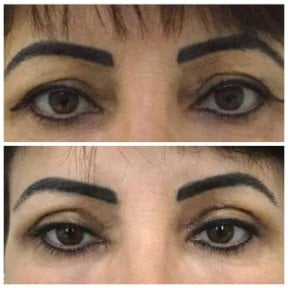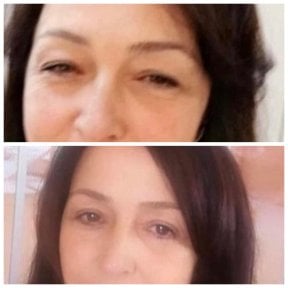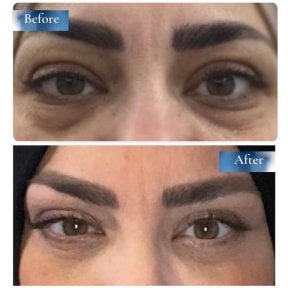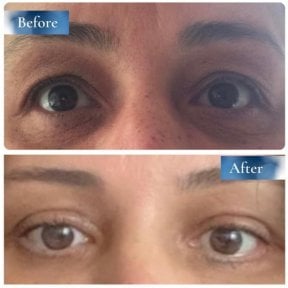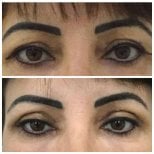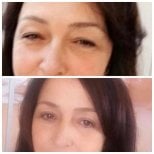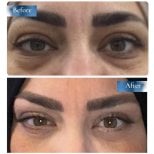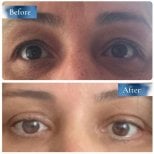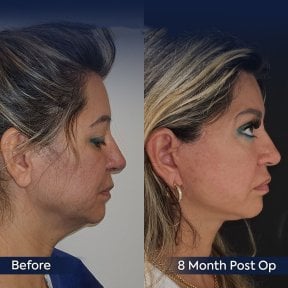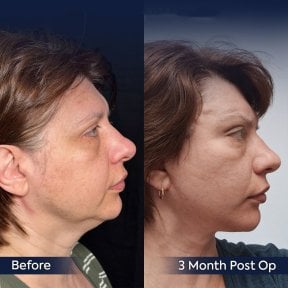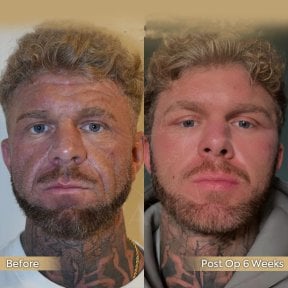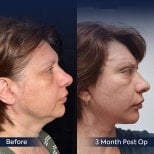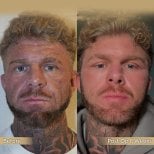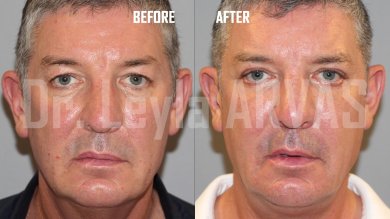
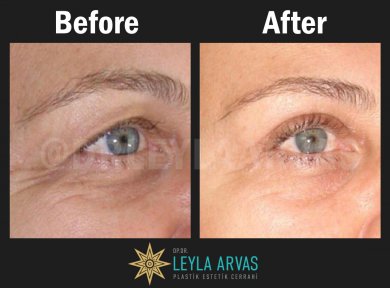
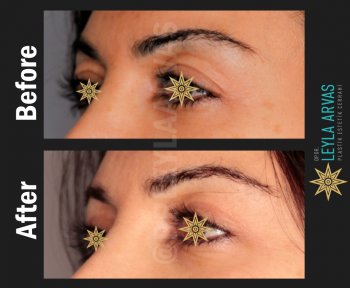
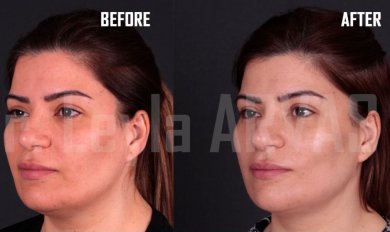
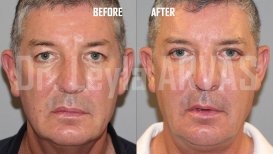
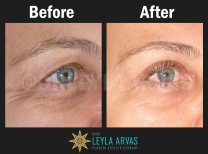
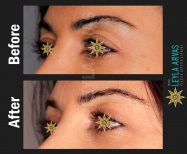
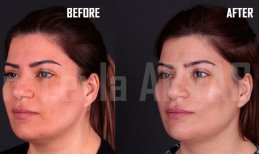
Biaya operasi kelopak mata atas (blefaroplasti) di Turki biasanya berkisar dari $2,100 hingga $3,000. Harga bervariasi tergantung pada klinik, pengalaman ahli bedah, dan apakah prosedur tambahan seperti koreksi kelopak mata bawah atau peremajaan kulit dengan laser termasuk. Di Amerika Serikat, biaya rata-rata adalah $5,500 (menurut ASPS). Ini berarti operasi kelopak mata atas di Turki sekitar 55% lebih murah daripada di AS.
Klinik-klinik di Turki biasanya mencakup biaya ahli bedah, anestesi lokal, biaya rumah sakit, tes pra operasi, obat-obatan, dan kunjungan tindak lanjut. Di AS, harga yang terdaftar sering kali hanya mencakup biaya ahli bedah, dengan biaya anestesi dan fasilitas dibebankan secara terpisah. Selalu pastikan apa yang termasuk dengan klinik Anda sebelum memesan.
| Turquia | Amerika Serikat | Meksiko | |
| Operasi Kelopak Mata Atas | dari $2,088 | dari $3,500 | dari $1,350 |
Upper eyelid surgery typically uses local anesthesia with sedation or general anesthesia depending on patient preference and surgical complexity. Local anesthesia numbs the area while sedation helps you relax; general anesthesia renders you unconscious during the procedure. Discuss anesthesia options with your surgeon to understand their effects and recovery implications.
Verify credentials by checking accreditation from bodies like JCI or affiliations with international medical organizations. Reading patient reviews and testimonials can also provide insights into a clinic's reputation. Directly contacting past patients through forums may offer additional perspectives on their experiences.
Turkey's healthcare facilities are known for their modern equipment and adherence to international standards. Many hospitals are accredited by organizations such as JCI, ensuring high-quality care. Researching facility accreditations can provide assurance of safety and quality.
While many clinics offer comprehensive packages, it's important to clarify what is included to avoid hidden costs. Ask about additional fees for medications, follow-up appointments, or extended accommodation stays. A transparent discussion with the clinic will help manage expectations.
The pre-surgery consultation involves discussing your medical history, desired outcomes, and potential risks with your surgeon. It's crucial to ask questions about their experience, surgical techniques, and post-operative care plans. This consultation can often be conducted virtually for international patients.
If complications occur after returning home, contact your surgeon immediately for guidance. Many clinics offer remote consultations to address such issues. Additionally, seek local medical attention if necessary while maintaining communication with your Turkish surgeon.
Travel packages often include accommodation at a 4-star hotel and VIP transfer services between the airport, hotel, and clinic. These arrangements are designed to provide comfort and convenience for international patients. Verify what is included in your package prior to booking.
Most clinics provide follow-up care through virtual consultations to monitor your recovery after returning home. It's essential to maintain communication with your surgeon for any concerns or complications that may arise post-surgery. Ensure you understand the follow-up process before leaving Turkey.
Many clinics in Turkey employ English-speaking staff or offer translation services to assist international patients. It's advisable to confirm language support availability during your initial inquiry with the clinic. This ensures clear communication throughout your treatment journey.
Recovery from upper eyelid surgery typically takes 1 to 2 weeks, with most swelling and bruising subsiding within this period. Patients are advised to rest, avoid strenuous activities, and follow prescribed eye care routines to promote healing. Full recovery may take several months as residual swelling diminishes.
Ensure your surgeon is certified by reputable organizations such as the ISAPS or the Turkish Society of Plastic Reconstructive and Aesthetic Surgery. Review their credentials, years of experience, and patient testimonials. Many surgeons in Turkey have international training, which can be an indicator of their expertise.
Potential risks of upper eyelid surgery include infection, bleeding, dry eyes, difficulty closing the eyes, and asymmetry. These risks can be minimized by choosing a qualified surgeon and adhering to post-operative care instructions. It's important to discuss all possible complications with your surgeon during the consultation.
Healthcare is the key development sector of the Turkish government. The Turkish authorities are convinced that care for the citizens' health should be an absolute priority of state policy and spend about 77 billion liras for healthcare annually.
As a result, 28,000 medical facilities provide excellent medical care in the country. About 50 centers have certificate of JCI (Joint Commission International), the international improver of healthcare quality and safety across the globe. The index of certificates obtained is the largest. To compare, Israel has 20 JCI-accredited facilities, and Germany — only 10 clinics of this type.
| Currency | lira (you also can pay for services in dollars and euros) |
| Best period for the trip | May-October |
| Language | Turkish (most of medical staff speaks English fluently) |
| Visa | is not required for a trip of at least 30 days per visit |
| Time difference with Europe | 3 hours |
| Time difference with the USA | 8 hours |
| Capital | Ankara |
| Medical tourism center | Istanbul |
| Popular resorts | Alanya, Antalya, Kemer, Marmaris |
In Turkey, hotels of different price ranges and service levels are presented. The level of Turkish hotels is comparable to hotels in Tunisia, Morocco or Egypt. Most tourists choose 4 and 5 star hotels with all-inclusive meals. Such hotels have everything for a comfortable stay: varied food, a large well-groomed territory, animation for children and adults. Some hotels have their own water park, which guests can use for free. Budget travelers can afford to book an economical 3-star hotel with half board or no meals at all.
The main advantage of Turkish resorts is the long beach season. On the Mediterranean coast, it starts in April and lasts until November. In the resorts of the Aegean Sea — from May to October. The most comfortable time for swimming is from mid-June to the end of October. A large influx of tourists is in July-August, when the air temperature is +38°C, and the water warms up to +27°C.
In 2020, the Republic of Turkey has visa-free agreements with 89 states. Some foreigners are exempted from obtaining entry visas, others are required to receive an electronic visa (e-Visa), and still others must apply for a visa at Turkish missions abroad.
What states need a visa for treatment in Turkey and what countries can cross the border free and easy read here.
Visas for travel to Turkey require a number of documents. The necessary papers can be submitted 90 days before the planned departure. Lists of documents includes: