The Warmth Rehab is a private addiction rehabilitation center in Mae Rim, Chiang Mai, Thailand. The center provides specialized care for substance use disorders, mental health, and trauma recovery. Registered as a rehabilitation facility in 2021, it operates under Ban Khun Morh Clinic.
Certifications and International Recognition
The facility holds certification from the Thailand Ministry of Public Health. It is also recognized under the SHA Plus program for health and safety standards. Partnerships with Recovery.com and Thailand Recovery support high-quality care standards.
International patients are a primary focus. Canadian clients have trusted the center for over a decade. Specialists have worked and trained internationally, including in Canada, to support English-speaking clients.
Addiction and Mental Health Specializations
The clinical team addresses substance dependencies and co-occurring mental health conditions. Treatment pathways cover several types of addiction and trauma-related illnesses:
- Alcohol dependence and drug addiction
- Cocaine and cannabis addiction recovery
- Anxiety and depression
- Post-traumatic stress disorder (PTSD)
- Behavioral addictions
Dr. Kanok Uttawichai leads the facility with over 18 years of experience. He focuses on detoxification and trauma-informed psychotherapy. Dr. Matt Barnhardt provides specialized substance abuse therapy and addiction recovery support. He is certified by the International Association of Trauma Professionals.
Treatment Methods and Intensive Care
Every resident begins with a clinical assessment. This helps the team design an individual recovery plan. The center offers a 28 to 30-day inpatient program for structured care. Only 15 residents stay at once, so each person gets close attention.
Medical detoxification is available for patients facing withdrawal. This process is doctor-led through the licensed Ban Khun Morh Clinic. Physicians and nurses monitor the detoxification phase to ensure safety.
The center integrates diverse therapeutic methods into daily recovery routines. Psychologists use Cognitive Behavioral Therapy (CBT) to help patients identify and change harmful patterns. For trauma recovery, specialists use EMDR and Brainspotting when clinically appropriate. These techniques help patients process traumatic memories tied to substance use.
Family involvement is a core part of treatment. Sessions occur every two weeks during the residential stay. They use SATIR and TREATNET principles to improve communication and set healthy boundaries.
Outpatient and Transition Support
Outpatient rehabilitation is available for clients who must maintain work or family duties. These individuals typically engage in 10–12 hours of therapy and medical support weekly. This allows for clinical care while the patient remains at home.
A transition program helps residents return to daily life after primary treatment. Clients continue one-to-one counseling with a physician twice a week. The team monitors stress and relapse risks during this phase. Follow-up care includes trigger management and ongoing mental health support.
Facility Amenities and Patient Services
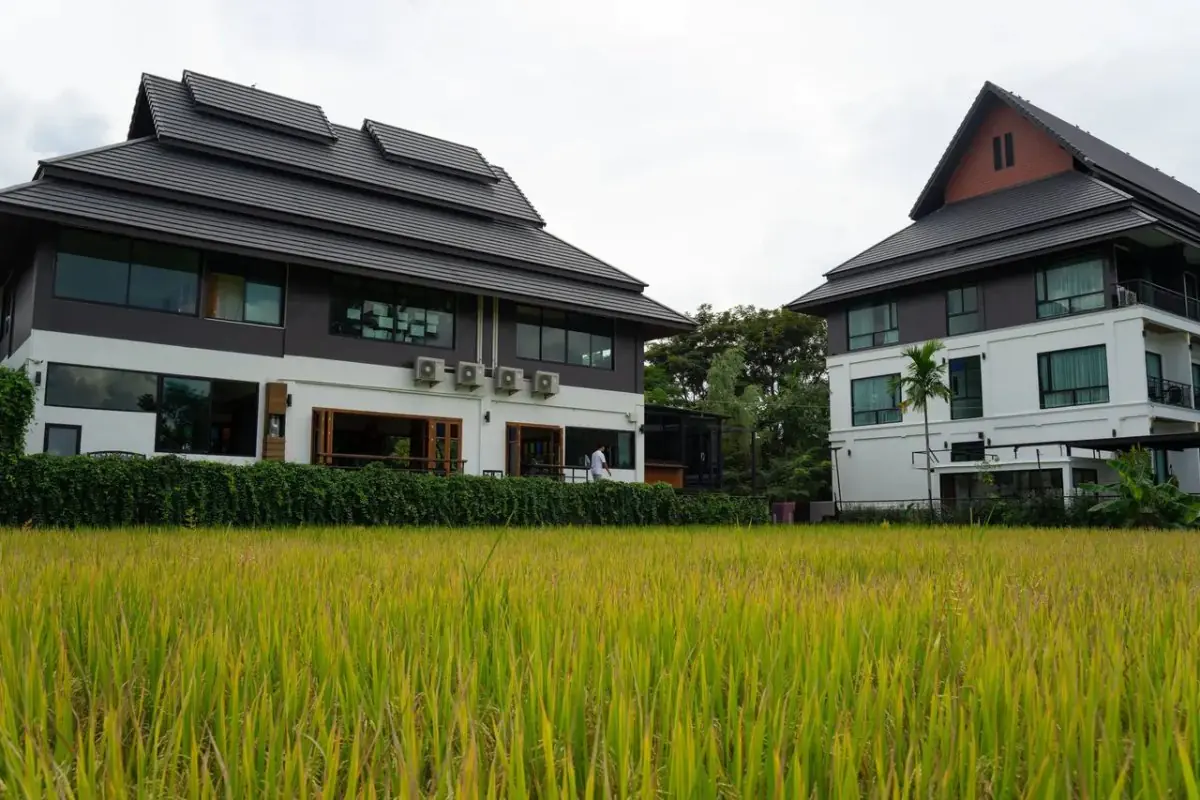
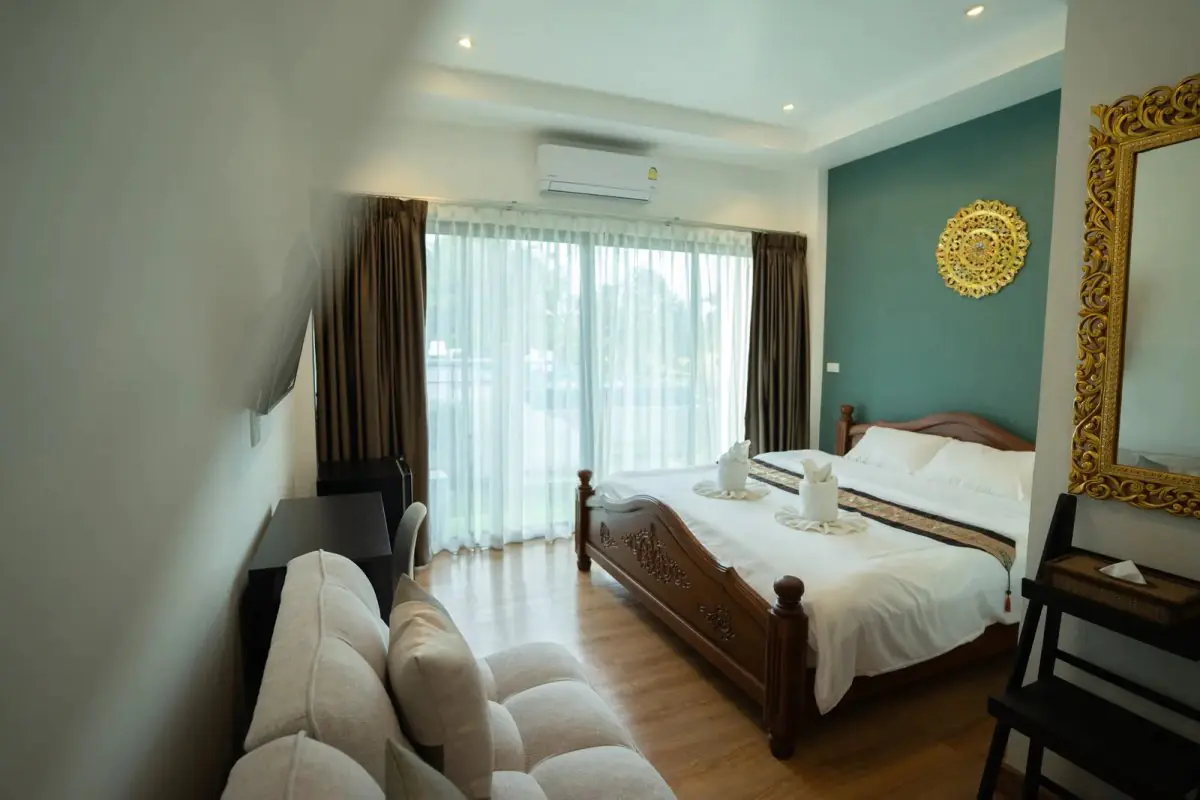
The residential center sits close to nature for a restorative environment. Residents stay in private rooms with keycard access. Staff members are on-site around the clock.
The center provides a full set of services for residents:
- Confidential clinical and psychological monitoring
- Daily meals and laundry service
- Complimentary shuttle support during the treatment period
- One off-site restorative activity per week
Communication with the care team is in English. The team includes physicians, nurses, clinical social workers, and psychologists. This diverse staff addresses all physical and mental health needs in one location.


 Klinik tidak menerima permintaan baru
 Rata-rata waktu respon — 5 menit
